Author: admin

  • Photos show Waymo vehicles on fire during LA protests as company cuts service

    Photos show Waymo vehicles on fire during LA protests as company cuts service

    Here’s the latest on Waymo vehicles caught in the crossfire as protests in Los Angeles intensified:


    🔥 What happened

    • During the anti-ICE protests on Sunday, June 8, demonstrators in downtown L.A.—around the Civic Center and 101 Freeway—vandalized multiple Waymo self-driving taxis. At least three to five vehicles were set ablaze, windows smashed, graffiti sprayed, and tires slashed .
    • The fires from the lithium-ion batteries emitted toxic gases, prompting police to sound a hazard warning and firefighters to respond .
    • Waymo promptly suspended its service in the protest-affected areas, stating that vehicles were “unable to be retrieved” until safety could be ensured .

    🚨 Immediate impacts

    • Safety hazards: From battery fires and toxic gas emissions, these incidents posed significant risks to protesters, responders, and bystanders .
    • Service disruption: Waymo halted operations in downtown L.A. as a precaution and will resume only when conditions allow .
    • Broader unrest: Alongside Waymo car fires, protesters also blocked the 101 Freeway, engaged in clashes with law enforcement, and there were a reported 27 arrests over the weekend .

    🧭 Why it matters

    • Symbol of protest: Waymo’s driverless taxis became tangible targets in expressing dissent against immigration policies and federal intervention.
    • Liability & public perception: These events intensify debate on the safety and security of autonomous vehicle deployment, especially within volatile social climates.
    • Policy ripple effects: The incidents may prompt Waymo and other autonomous vehicle companies to reassess deployment strategies in protest-prone regions and push for stronger protections.

    ✅ What’s next

    • Waymo’s response: The company has affirmed ongoing communication with law enforcement and will reinstate service once downtown is deemed safe .
    • Continued protests: Demonstrations tied to ICE raids are expected to persist, with further unrest likely across the city.
    • Regulatory fallout: The destruction of autonomous vehicles could accelerate policy discussions around their urban deployment, especially in areas facing civil unrest.

    Let me know if you’d like deeper coverage—photos, arrest records, legal insights, or local perspectives on the impact of self-driving tech in protest-heavy zones.

    From: Marking Paint  https://www.marking-paint.com

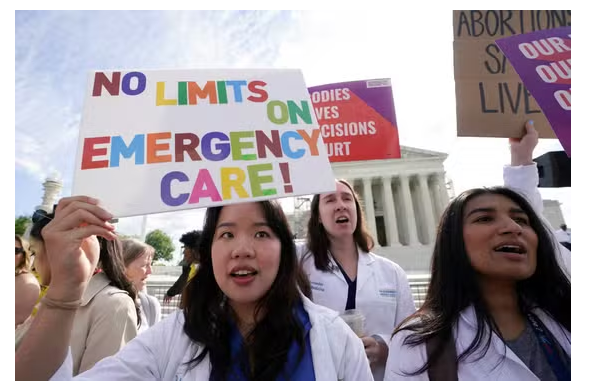
  • Trump administration revokes guidance requiring hospitals to provide emergency abortions

    On June 3, 2025, the Trump administration rescinded a Biden-era policy that had mandated hospitals to provide emergency abortions when necessary to stabilize a patient’s health, even in states with strict abortion bans. This policy, issued in July 2022 following the U.S. Supreme Court’s decision to overturn Roe v. Wade, interpreted the Emergency Medical Treatment and Labor Act (EMTALA) as requiring hospitals to offer such care regardless of state restrictions.

    The Centers for Medicare & Medicaid Services (CMS) announced the revocation, stating that the previous guidance no longer reflected the current administration’s policies. While CMS affirmed its commitment to enforcing EMTALA for emergencies affecting pregnant individuals or their unborn children, it acknowledged the need to address legal uncertainties arising from this policy shift.

    The decision has sparked significant concern among healthcare providers and reproductive rights advocates. Critics argue that the rollback could lead to confusion among medical professionals, particularly in states with stringent abortion laws, potentially jeopardizing patient care during emergencies. Nancy Northup, president and CEO of the Center for Reproductive Rights, stated that the administration’s move feeds existing fears and confusion in hospitals, emphasizing the need for more guidance to prevent the denial of care to patients experiencing pregnancy crises.

    Conversely, anti-abortion advocates have welcomed the revocation. Marjorie Dannenfelser, president of SBA Pro-Life America, contended that the previous policy was an overreach, asserting that it was used to expand abortion access in states where it was banned. She argued that such policies created confusion, leading to delayed care and putting women in unnecessary danger.

    The legal landscape surrounding emergency abortion care remains complex. In a related development, the Trump administration previously dropped a lawsuit against Idaho’s near-total abortion ban, which had been challenged under the Biden-era guidance. Although the lawsuit was dismissed, a separate legal challenge by a hospital system continues to block the enforcement of Idaho’s ban in emergency situations.

    This policy reversal underscores the ongoing national debate over abortion rights and the extent of federal authority in ensuring access to emergency medical care, particularly in states with restrictive abortion laws.

    From: Marking Paint  https://www.marking-paint.com

  • How to deal with poor sewing of clothes produced by garment factories?

    Dealing with poor sewing quality in garments produced by factories requires a structured approach to identify root causes, enforce accountability, and ensure consistent improvements. Here’s a clear step-by-step plan:


    1. Identify the Specific Sewing Issues

    Inspect samples for common problems such as:

    • Crooked seams
    • Uneven stitching
    • Loose threads or skipped stitches
    • Mismatched patterns or seams
    • Unraveling hems

    Document everything with photos and notes, including defect rates (e.g., 10 out of 100 pieces with faulty stitching).


    📋 2. Review Technical Specifications

    Ensure that:

    • Clear tech packs (technical packets) are being provided to the factory.
    • All stitch types, seam allowances, tension settings, and quality expectations are clearly defined.

    If you don’t already provide a spec sheet or production guide, this could be a key source of inconsistency.


    🤝 3. Communicate With the Factory

    Schedule a formal meeting or call with the factory’s production manager or quality control lead. Discuss:

    • Specific sewing defects with photo evidence.
    • Impact on your brand and business (returns, customer dissatisfaction).
    • Request a corrective action plan.

    🔁 4. Implement Quality Control Measures

    • Inline inspection: Inspect work during production (not just at the end).
    • Final QC inspection: 100% or AQL (Acceptable Quality Limit) checks before shipping.
    • Use third-party inspection services (like Intertek, SGS) if internal QC is weak.

    🧪 5. Trial & Retest

    Request the factory to:

    • Redo defective pieces or adjust patterns/machines.
    • Produce a small re-sample batch before proceeding with mass production.
    • Approve samples only after confirmed sewing corrections.

    ⚙️ 6. Evaluate Factory Capability

    If problems persist:

    • Re-assess if the factory has the equipment, skill level, and staff training required for your product category.
    • Consider switching to a more reliable partner or multi-sourcing to reduce dependency on one supplier.

    🛑 7. Use Contracts & Penalties

    Include clauses in your purchase agreement:

    • On acceptable defect rates.
    • Financial penalties for poor quality or rework.
    • Terms for product rejection and refund.

    🗣️ Pro Tip:

    Keep the tone collaborative but firm. Many factories will work with you to resolve issues if you clearly communicate expectations and show a willingness to continue the relationship.


    From:

    https://www.probatteryer.com

    https://www.probatteryer.com/blog

    https://www.batteryer.uk/blog

    https://www.batteryer.sg/blog

    https://www.batteryer.nz/blog

  • How to restore stained clothes to their original state

    Restoring stained clothes can be a bit of a trial-and-error process depending on the fabric and type of stain, but there are several effective methods you can try. Here’s a guide based on different types of stains:

    1. General Tips

    • Act Fast: The quicker you address a stain, the better your chances of removing it.
    • Test Before Use: Always test any cleaning method on a small, inconspicuous area of the fabric to ensure it won’t cause damage.
    • Cold Water First: Use cold water to rinse the stain before applying any treatments to avoid setting the stain.

    2. Common Stains and How to Treat Them

    Oil or Grease Stains

    • Method: Sprinkle baking soda, cornstarch, or baby powder on the stain to absorb the oil. Let it sit for 15-30 minutes, then brush off. Wash with dish soap or a stain remover.
    • Alternative: Apply a small amount of dish detergent directly to the stain and rub it in before washing.

    Ink Stains

    • Method: Dab the stain with rubbing alcohol or hand sanitizer using a cotton ball. Blot gently without rubbing. Afterward, wash the fabric in cold water.
    • Alternative: Use a mixture of milk and lemon juice or a commercial stain remover.

    Red Wine Stains

    • Method: Pour white wine, club soda, or cold water directly onto the stain to dilute it. Blot with a clean cloth. Then, treat with a mixture of dish soap and hydrogen peroxide.
    • Alternative: You can also sprinkle salt on the stain to absorb some of the wine.

    Blood Stains

    • Method: Rinse the fabric with cold water immediately. Soak the stain in a mixture of hydrogen peroxide and water (3:1) for 15-30 minutes, then wash as usual.
    • Alternative: If the blood is dry, apply a paste of baking soda and water, scrub gently, and rinse with cold water.

    Coffee or Tea Stains

    • Method: Apply a paste of baking soda and water, scrub with a soft brush, then rinse with cold water.
    • Alternative: Use vinegar or lemon juice to break down the stain. You can also try rubbing alcohol.

    3. Stubborn Stains

    If the stain is persistent after initial cleaning:

    • Soak in Stain Remover: Soak the garment in a commercial stain remover or a DIY mix of white vinegar, baking soda, and water.
    • Use Enzyme Cleaner: These work particularly well for organic stains like blood, sweat, or food.
    • Wash in Hot Water: After treating the stain, wash the fabric in the hottest water safe for the material.

    4. Preventing Stains from Setting

    • Don’t put stained clothes in the dryer until you’re sure the stain is gone because the heat can set the stain permanently.
    • Always check the fabric care label and follow any manufacturer’s instructions for cleaning and drying.

    Do you have a specific type of stain you’re dealing with? I can give you more detailed tips if you need. 🙂

    From: Chinese Clothes Manufacturer    https://www.protexclothes.com

  • How to deal with the situation two lines are not parallel when making clothes for a clothing factory?

    Dealing with non-parallel lines when making clothes in a factory setting can be tricky, but it’s definitely manageable. Here are a few tips to fix the issue:

    1. Check the Patterns: Before cutting or stitching, make sure that the pattern pieces are aligned properly. Sometimes, the misalignment comes from incorrect pattern positioning. Ensure the grainlines, edges, and any notches are marked and aligned well on the fabric.
    2. Fabric Tension: Ensure that the fabric isn’t stretched or pulled in one direction. If the fabric has been pulled or distorted during handling, it might cause the lines to appear non-parallel. Always work with fabric that has been properly prepped (washed or steamed, if needed) to reduce stretching.
    3. Check Your Machine Settings: Misalignment can occur if the sewing machine’s feed dogs are not functioning properly. Check to ensure that the tension and stitch settings are correct. If the machine isn’t feeding the fabric through evenly, the lines might shift during sewing.
    4. Pressing: Sometimes lines may appear skewed because the fabric isn’t pressed properly before or after sewing. Use a press with the right amount of heat and steam to set seams straight. This will often help in straightening out any slight distortions that occur during stitching.
    5. Use Guides: If you’re working with a sewing machine, consider using a walking foot, or a guide to ensure the fabric moves evenly and consistently. A clear guide or edge stitching foot will help keep the lines straight.
    6. Pinning or Basting: Pinning or basting the fabric before sewing can prevent fabric from shifting while you stitch. Make sure that you’re using enough pins or basting stitches to hold everything in place, especially when working with slippery or stretchy fabrics.
    7. Reevaluate the Fabric Type: If you’re working with fabrics that have a lot of stretch or are slippery (like silk or jersey), it can be harder to keep the lines straight. For such fabrics, you may need to use additional techniques, like stabilizers or different needle types, to ensure the lines stay parallel.
    8. Consult with the Design Team: If the lines are a part of a design feature, it might be worth going back to the design team to ensure the lines were intended to be parallel and if there’s any room for adjustment in the design.

    Does this align with the situation you’re facing, or are you working on something more specific?

    From: From: Chinese Clothes Manufacturer    https://www.protexclothes.com

  • How to deal with the details of clothing design?

    Dealing with the details of clothing design requires a meticulous and balanced approach, integrating creativity with practicality. Here’s a structured guide to managing these elements effectively:

    1. Conceptualization & Inspiration

    • Theme & Purpose: Define the garment’s purpose (e.g., casual, formal, sportswear) and draw inspiration from art, culture, or trends.
    • Sketching: Create detailed sketches highlighting design elements like silhouettes, seams, and embellishments.

    2. Material Selection

    • Fabric Choice: Select fabrics based on drape, weight, and texture (e.g., chiffon for flow, wool for warmth).
    • Sustainability: Opt for eco-friendly materials (organic cotton, recycled fibers) and consider durability.

    3. Functional Design

    • Fit & Comfort: Use darts, pleats, or stretch fabrics to ensure mobility. Include adjustable features (elastic waistbands).
    • Pockets & Closures: Ensure functionality (e.g., reinforced pockets, appropriately placed zippers/buttons).

    4. Aesthetic Detailing

    • Color & Pattern: Apply color theory for harmony. Align patterns at seams for continuity.
    • Embellishments: Choose buttons, lace, or embroidery that complement the design without overwhelming it.

    5. Technical Execution

    • Pattern Making: Draft precise patterns, adjusting for grainline and seam allowances.
    • Construction Techniques: Select stitching types (French seams for durability) and reinforce stress points.

    6. Production Considerations

    • Feasibility: Simplify complex details for mass production. Balance intricacy with cost-effectiveness.
    • Tech Packs: Document specs (measurements, materials, trim) for clear communication with manufacturers.

    7. Prototyping & Testing

    • Prototypes: Create samples to test fit, fabric behavior, and durability.
    • Adjustments: Refine details based on wear-test feedback (e.g., seam stress, comfort).

    8. Market & Trends

    • Target Audience: Tailor details to user needs (luxury vs. everyday wear).
    • Trend Awareness: Incorporate current trends (oversized buttons, seasonal colors) judiciously.

    9. Sustainability & Ethics

    • Longevity: Design timeless pieces with durable construction.
    • Ethical Practices: Ensure fair labor practices and eco-friendly processes.

    10. Finalization & Documentation

    • Detailed Notes: Record decisions on materials, techniques, and adjustments.
    • Accessories: Integrate complementary accessories (belts, scarves) thoughtfully.

    By systematically addressing each aspect—from initial concept to production—you ensure that every detail enhances both the aesthetic appeal and functionality of the garment, resulting in a cohesive and market-ready design.

    From: Chinese Clothes Manufacturer    https://www.protexclothes.com

  • How to reduce the cost when producing clothes for a factory?

    Reducing the cost of producing clothes in a factory can be done through a combination of strategies aimed at increasing efficiency, optimizing resources, and reducing waste. Here are some key strategies that can help achieve this:

    1. Optimize Fabric Usage

    • Pattern Efficiency: Ensure that the patterns used for cutting fabrics are optimized to minimize waste. Software can be used to create the most efficient cutting layouts.
    • Bulk Fabric Purchases: Buy fabrics in bulk to take advantage of volume discounts. Additionally, negotiating with suppliers for long-term contracts can lead to better pricing.
    • Alternative Materials: Consider using alternative, less expensive fabrics that still meet the quality standards of your garments.

    2. Automation and Technology

    • Invest in Machinery: Upgrading to more efficient, automated machinery (like automated cutters and sewing machines) can speed up the production process and reduce labor costs.
    • Digitized Production: Use digital design and production tools (like 3D modeling) to streamline the design-to-production process, reducing the number of prototypes and adjustments needed.
    • Tracking and Analytics: Implement tracking systems to monitor production and identify inefficiencies, ensuring that resources are used as effectively as possible.

    3. Improve Labor Efficiency

    • Train Workers: Ensure that workers are well-trained to handle machinery, patterns, and quality control processes efficiently. High-quality training can lead to faster, more precise work with fewer errors.
    • Lean Manufacturing: Implement lean manufacturing principles to minimize waste in both materials and labor. This involves organizing the factory floor for maximum efficiency and reducing unnecessary movements or processes.
    • Outsource Non-Essential Work: If possible, outsource non-core activities (like packaging or specific stitching tasks) to areas where labor is cheaper but still maintains good quality.

    4. Reduce Energy Costs

    • Energy-Efficient Machinery: Invest in energy-efficient equipment to reduce the long-term costs of running the factory. This includes machines that consume less electricity or have energy-saving features.
    • Optimize Factory Lighting: Use energy-efficient lighting and consider natural lighting solutions if possible. Also, maintaining the factory at optimal temperatures can reduce heating and cooling costs.

    5. Optimize Supply Chain Management

    • Streamline Inventory: Keep tight control over inventory to avoid overstocking and reduce storage costs. Implementing just-in-time inventory systems can help minimize holding costs.
    • Supplier Negotiations: Negotiate better terms with suppliers for bulk orders or discounts. Establishing long-term relationships with suppliers can also lead to better deals and consistency in pricing.

    6. Reduce Waste and Improve Sustainability

    • Waste Reduction Programs: Establish programs to recycle or repurpose fabric scraps, off-cuts, and defective pieces. This can include designing products to use smaller pieces of fabric or turning scrap fabric into other items.
    • Eco-Friendly Processes: Consider implementing more sustainable production processes that reduce waste and lower long-term environmental costs. While this may have an upfront cost, it can help reduce overall expenses in the future.

    7. Increase Production Volume

    • Scale Production: If possible, increase the volume of orders to take advantage of economies of scale. Larger production runs typically reduce the cost per unit.
    • Minimize Downtime: Maximize factory uptime by ensuring smooth operations, reducing maintenance costs, and improving scheduling.

    8. Negotiate with Logistics Providers

    • Optimize Shipping and Freight: Work with logistics providers to negotiate lower shipping rates or explore alternative shipping methods to reduce transportation costs.
    • Consolidated Shipping: For factories that ship internationally, consolidating shipments can lower costs. Shipping large batches at once instead of smaller shipments can save on both freight and customs fees.

    9. Outsource or Nearshore Production

    • Outsource to Low-Cost Regions: If your factory is located in a high-cost area, you might consider outsourcing certain parts of the production process to countries with lower labor costs.
    • Nearshoring: Alternatively, bringing production closer to the primary consumer market can reduce shipping and logistics costs while still benefiting from lower labor costs.

    By combining these strategies, you can reduce production costs, increase efficiency, and improve the overall profitability of your factory. The key is balancing quality with cost reduction, ensuring that your final product still meets consumer expectations while being cost-effective to produce.

    Is your factory currently facing specific challenges when it comes to production costs?

    All right reserved!

    From: Chinese Clothes Manufacturer      https://www.protexclothes.com

  • How to choose the best material when designing the clothes?

    When designing clothes, selecting the right material is critical to ensuring functionality, comfort, durability, and aesthetic appeal. Here’s a structured approach to choosing the best material:


    1. Define the Purpose and Use Case

    • Type of Garment:
      • Casual wear (e.g., cotton for breathability).
      • Athletic wear (e.g., polyester/spandex blends for stretch and moisture-wicking).
      • Formal wear (e.g., silk or wool for drape and elegance).
    • Climate/Season:
      • Summer: Lightweight, breathable fabrics (linen, cotton).
      • Winter: Insulating materials (wool, fleece, cashmere).

    2. Evaluate Material Properties

    • Comfort:
      • Softness (e.g., bamboo fabric for sensitive skin).
      • Breathability (e.g., cotton vs. synthetic nylon).
    • Functionality:
      • Moisture management (e.g., merino wool for temperature regulation).
      • Stretch/recovery (e.g., elastane blends for activewear).
    • Durability:
      • Abrasion resistance (e.g., Cordura® for workwear).
      • Colorfastness (e.g., pre-washed denim to prevent fading).

    3. Consider Sustainability

    • Eco-Friendly Options:
      • Organic cotton (no pesticides).
      • Recycled polyester (from plastic bottles).
      • Tencel™/Lyocell (biodegradable, low-water process).
    • Certifications:
      • GOTS (Global Organic Textile Standard).
      • OEKO-TEX® (chemical safety).

    4. Factor in Cost and Production

    • Budget:
      • Luxury fabrics (silk, cashmere) vs. affordable synthetics (polyester).
    • Manufacturability:
      • Ease of cutting/sewing (e.g., stiff leather vs. stretchy jersey).
      • Dyeability (e.g., natural fibers absorb dyes better).

    5. Test and Prototype

    • Sample Testing:
      • Wash tests (shrinkage, color retention).
      • Wear trials (pilling, stretching).
    • User Feedback:
      • Comfort surveys (itchiness, breathability).

    6. Stay Aligned with Trends and Ethics

    • Market Trends:
      • Biodegradable materials (e.g., mushroom leather).
      • Smart textiles (e.g., UV-protective fabrics).
    • Ethical Sourcing:
      • Avoid materials linked to deforestation (e.g., conventional viscose).
      • Prioritize fair-trade suppliers.

    Examples of Material Choices by Category

    Garment TypeRecommended MaterialsWhy?
    ActivewearPolyester-spandex, Nylon-Lycra®Moisture-wicking, stretch, durability
    Winter CoatsWool-blend, Gore-Tex® (waterproof)Insulation, weather resistance
    Eco-Friendly BasicsOrganic cotton, HempSustainable, breathable
    Luxury Evening GownsSilk, Chiffon, VelvetDrape, sheen, elegance

    Key Takeaway

    Start by defining the garment’s purpose, then prioritize materials based on performancecostsustainability, and user comfort. Always prototype and test fabrics under real-world conditions to ensure they meet design and functional goals.

    From: Chinese Clothes Manufacturer      https://www.protexclothes.com

  • What is the common problem when producing clothes?

    Let’s talk about common problems in clothing production. Let me recall the previous conversation. Earlier, they asked about common problems for clothes in general, and I listed issues like wear and tear, fading, pilling, etc. Now they’re specifically asking about production problems. So I need to shift focus from consumer issues to manufacturing challenges.

    First, I should consider the different stages of production. Sourcing materials, manufacturing processes, quality control, sustainability, labor, and cost management come to mind. Let me break it down.

    Material-related issues: Defects in fabrics like uneven dyeing or shrinkage. Maybe inconsistency in fabric quality from suppliers. Also, sourcing sustainable materials could be a problem, especially with the push for eco-friendly practices.

    Production process problems: During cutting and sewing, fabric might be misaligned, leading to waste. Stitching defects like skipped stitches or seam puckering. Dyeing and printing issues like color bleeding or uneven patterns.

    Quality control challenges: Ensuring consistency across large batches. Detecting defects early to avoid costly recalls or returns. Meeting international standards and regulations, which can vary by region.

    Sustainability and ethical concerns: Environmental impact from water usage, chemical dyes, and waste. Ethical issues like fair wages and safe working conditions in factories. Compliance with labor laws can be tricky, especially in different countries.

    Cost and efficiency: Balancing quality with cost-effectiveness. Managing production timelines to avoid delays. Dealing with rising raw material costs, especially with natural fibers or specialized fabrics.

    Supply chain management: Reliable sourcing of materials, avoiding delays. Inventory management to prevent overproduction or stockouts. Transportation and logistics issues affecting delivery times.

    Technological integration: Adopting new technologies like automation or AI in production. Training workers to use advanced machinery. Ensuring technology doesn’t compromise craftsmanship, especially in high-end fashion.

    Design and prototyping: Translating designs into manufacturable products. Prototyping costs and time. Adjusting designs based on material limitations or production capabilities.

    Regulatory compliance: Meeting safety standards, like flame resistance for children’s sleepwear. Proper labeling requirements, including care instructions and fiber content. Import/export regulations affecting global supply chains.

    Waste management: Dealing with fabric scraps and production waste. Recycling or upcycling materials to minimize environmental impact. Disposal of hazardous materials like chemical dyes.

    Labor shortages and skill gaps: Finding skilled workers for specialized tasks like pattern making or tailoring. Training employees in new techniques or technologies. High turnover rates in manufacturing sectors.

    Intellectual property issues: Counterfeiting and design theft, especially in fast fashion. Protecting original designs and trademarks in global markets.

    Consumer demands and fast fashion: Pressure to produce quickly and cheaply, leading to quality compromises. Adapting to rapidly changing trends while maintaining production efficiency. Managing returns and overstock from unpredictable demand.

    Cultural and ethical considerations: Ensuring culturally sensitive designs, avoiding appropriation. Ethical sourcing of materials, like avoiding conflict minerals or unethical labor practices.

    Okay, I need to organize these points into categories. Let me group them under material challenges, production process issues, quality control, sustainability, labor, supply chain, costs, technology, design, regulations, waste, labor skills, IP, consumer pressures, and cultural aspects. Make sure to highlight the most common and critical problems first. Also, since the user might be involved in the industry, maybe looking for solutions or understanding pain points. Should I mention solutions briefly like in the previous answer? The user didn’t ask for solutions, but maybe a tip for each problem as before. Let me check the previous response structure. Yes, the assistant provided tips for each issue. So I should follow a similar format: issue, cause, tip. That would be helpful.

    Wait, the user’s previous question was about problems when producing clothes, so it’s about manufacturing, not post-purchase. So the answer should focus on the production phase. Need to make sure the points are relevant to manufacturing challenges, not usage. Avoid overlapping with the previous answer which was about clothes after production.

    For example, material defects, labor issues, supply chain problems, etc. Also, sustainability is a big one now. Fast fashion’s environmental impact. Maybe include things like water usage, chemical pollution, textile waste. Ethical labor practices, fair wages, working conditions.

    Also, technological challenges like integrating automation without losing quality. Quality control is a major issue, especially with fast fashion where speed can compromise quality. Defects in stitching, sizing inconsistencies, color variations.

    Intellectual property is another area, with designs being copied quickly by competitors. Counterfeiting is a problem, especially in global markets.

    Supply chain disruptions, like those caused by pandemics or political issues, can affect material availability and production timelines.

    Cost management: Balancing cost of materials, labor, and production while maintaining profit margins. Rising costs of raw materials like cotton or synthetic fibers.

    So, structuring the answer with each problem, a brief explanation, and a tip. Let me list them:

    1. Material Quality Inconsistency: Variations in fabric texture, color, or strength. Tip: Work closely with trusted suppliers and conduct regular quality checks.

    2. Dyeing and Printing Defects: Uneven color, bleeding, or misaligned patterns. Tip: Use standardized dyeing processes and test batches before full production.

    3. Stitching and Seam Issues: Skipped stitches, broken seams. Tip: Regular maintenance of sewing machines and worker training.

    4. Sizing Inaccuracies: Garments not meeting size specifications. Tip: Implement precise pattern grading and quality control measures.

    5. Sustainability Challenges: High water usage, chemical waste. Tip: Adopt eco-friendly dyes and water recycling systems.

    6. Labor Exploitation and Safety: Poor working conditions, low wages. Tip: Enforce ethical labor certifications (e.g., Fair Trade) and audits.

    7. Supply Chain Disruptions: Delays in material delivery. Tip: Diversify suppliers and maintain safety stock.

    8. High Production Costs: Rising material and labor expenses. Tip: Optimize production processes and consider automation where possible.

    9. Waste Management: Fabric scraps and unsold inventory. Tip: Implement zero-waste cutting techniques and recycling programs.

    10. Intellectual Property Theft: Design copying by competitors. Tip: Register designs and use legal protections in key markets.

    11. Regulatory Compliance: Meeting safety and labeling standards. Tip: Stay updated on international regulations and conduct compliance training.

    12. Technological Integration: Resistance to adopting new tech. Tip: Invest in employee training and phased technology implementation.

    13. Fast Fashion Pressures: Demand for rapid turnover leading to quality issues. Tip: Balance speed with quality checks and sustainable practices.

    14. Counterfeit Production: Fake products harming brand reputation. Tip: Use anti-counterfeiting technologies like QR codes or blockchain tracking.

    15. Cultural Sensitivity: Offensive designs or appropriation. Tip: Engage cultural consultants and conduct market research before launch.

    That seems comprehensive. Now, format it similarly to the previous answer, using numbered points with bold headers, issue, and tip. Keep it concise but informative. Ensure each point is a production-phase problem, not post-production. Avoid redundancy with the earlier answer on common clothing problems. Check for clarity and relevance. Make sure tips are actionable. Alright, time to put it all together.

    When producing clothes, manufacturers often encounter a range of challenges that impact quality, sustainability, efficiency, and ethics. Here’s a structured overview of common problems and actionable solutions:


    1. Material Quality Inconsistency

    • Issue: Variations in fabric texture, color, or strength due to poor-quality raw materials or supplier inconsistencies.
    • Tip: Partner with certified suppliers, conduct pre-production testing, and enforce strict quality control (QC) checks for incoming materials.

    2. Dyeing and Printing Defects

    • Issue: Uneven color, bleeding, or misaligned patterns caused by unstable dye formulas or improper techniques.
    • Tip: Standardize dyeing processes, test small batches first, and use digital printing for precision.

    3. Stitching and Seam Failures

    • Issue: Skipped stitches, loose threads, or seam puckering from machine malfunctions or unskilled labor.
    • Tip: Regularly maintain sewing equipment, train workers, and implement real-time QC inspections.

    4. Sizing Inaccuracies

    • Issue: Garments deviating from size charts due to pattern errors or inconsistent grading.
    • Tip: Use automated pattern-making software and conduct fit tests on diverse body types.

    5. Sustainability Challenges

    • Issue: High water/energy use, chemical pollution, and textile waste (e.g., 15% of fabric wasted in cutting).
    • Tip: Adopt waterless dyeing, recycled fabrics, and zero-waste cutting techniques. Certify processes (e.g., GOTS, OEKO-TEX).

    6. Labor Exploitation

    • Issue: Unsafe working conditions, unfair wages, or child labor in unregulated factories.
    • Tip: Partner with factories certified by Fair Trade or WRAP, and conduct unannounced audits.

    7. Supply Chain Disruptions

    • Issue: Delays in raw material delivery or logistics bottlenecks (e.g., geopolitical crises, pandemics).
    • Tip: Diversify suppliers, use local sourcing, and maintain buffer inventory for critical materials.

    8. High Production Costs

    • Issue: Rising costs of labor, materials (e.g., organic cotton), and compliance with regulations.
    • Tip: Optimize workflows with lean manufacturing, invest in automation, and negotiate bulk pricing.

    9. Waste Management

    • Issue: Fabric scraps, unsold inventory, and non-recyclable materials contributing to landfill waste.
    • Tip: Donate excess stock, upcycle scraps into new products, and adopt circular economy models.

    10. Intellectual Property Theft

    • Issue: Fast-fashion brands copying designs without credit or compensation.
    • Tip: Register designs/copyrights, use blockchain for provenance tracking, and pursue legal action.

    11. Regulatory Compliance

    • Issue: Meeting safety standards (e.g., flame-resistant sleepwear) or labeling laws (e.g., fiber content).
    • Tip: Hire compliance experts and stay updated on regional regulations (e.g., EU REACH, CPSIA).

    12. Technological Resistance

    • Issue: Slow adoption of AI, 3D sampling, or automated cutting due to cost or training gaps.
    • Tip: Pilot small-scale tech integration and provide upskilling programs for workers.

    13. Fast Fashion Pressures

    • Issue: Demand for rapid production cycles leading to worker burnout and quality compromises.
    • Tip: Balance speed with ethical practices, like H&M’s “Conscious Collection” or Patagonia’s repair programs.

    14. Cultural Missteps

    • Issue: Offending communities with inappropriate designs (e.g., cultural appropriation).
    • Tip: Engage diversity consultants and conduct market research before launching collections.

    Key Takeaway:

    The apparel industry’s challenges are interconnected, but proactive strategies—like ethical sourcing, tech adoption, and waste reduction—can enhance both profitability and sustainability.

    From: Chinese Clothes Manufacturer      https://www.protexclothes.com

  • What is the common problem for clothes?

    Clothes commonly face several issues that can affect their appearance, functionality, and longevity. Here’s a structured breakdown of these problems, along with brief prevention tips:

    1. Wear and Tear
      • Issue: Holes, fraying fabric, or thinning areas (e.g., knees, elbows).
      • Tip: Reinforce high-friction areas and avoid over-washing.
    2. Fading Colors
      • Issue: Loss of vibrancy due to sun exposure, harsh detergents, or frequent washing.
      • Tip: Wash in cold water, air-dry in shade, and use color-protecting detergents.
    3. Pilling
      • Issue: Small fabric balls form on surfaces (common in wool, cotton, or synthetics).
      • Tip: Use a fabric shaver; wash inside-out on gentle cycles.
    4. Shrinkage
      • Issue: Fabric contracts due to heat (washing/drying).
      • Tip: Follow care labels; air-dry heat-sensitive fabrics like wool or cotton.
    5. Stretching/Loss of Shape
      • Issue: Garments become baggy or misshapen (e.g., sweaters, socks).
      • Tip: Lay flat to dry; avoid hanging heavy knits.
    6. Stains
      • Issue: Persistent marks from food, grease, or sweat.
      • Tip: Treat stains immediately with appropriate cleaners (e.g., enzymatic for protein-based stains).
    7. Odor Retention
      • Issue: Lingering smells in synthetics or workout gear.
      • Tip: Use antibacterial detergents or vinegar rinses; avoid fabric softeners.
    8. Color Bleeding
      • Issue: Dyes transfer in wash, staining other clothes.
      • Tip: Sort colors, use cold water, and test new garments for colorfastness.
    9. Lint and Pet Hair
      • Issue: Fibers or hair cling to fabrics.
      • Tip: Use lint rollers; wash with anti-static sheets.
    10. Broken Fastenings
      • Issue: Zippers jam, buttons fall off, or hooks break.
      • Tip: Replace weak buttons preemptively; lubricate zippers with wax.
    11. Unraveling Seams/Threads
      • Issue: Loose threads or split seams.
      • Tip: Mend small tears early; check stitching quality when buying.
    12. Wrinkling
      • Issue: Creases in fabrics like linen or cotton.
      • Tip: Steam garments; use wrinkle-release sprays.
    13. Environmental Damage
      • Issue: Moths (wool), mold (damp storage), or UV degradation.
      • Tip: Store clothes clean, use mothballs, and ensure dry ventilation.
    14. Fit Issues
      • Issue: Inconsistent sizing or body changes.
      • Tip: Check size charts; tailor clothes for better fit.
    15. Sustainability Concerns
      • Issue: Fast fashion waste and synthetic microplastics.
      • Tip: Choose eco-friendly fabrics; recycle or donate old clothes.
    16. Allergies/Skin Irritation
      • Issue: Reactions to dyes, chemicals, or synthetic fibers.
      • Tip: Wash new clothes before wearing; opt for organic, hypoallergenic materials.
    17. Static Cling
      • Issue: Fabrics stick to skin in dry conditions.
      • Tip: Use humidifiers or anti-static sprays; pair natural and synthetic fibers.

    By addressing these issues proactively, you can extend the life and maintain the quality of your clothing.

    From: Chinese Clothes Manufacturer      https://www.protexclothes.com