Category: Clothes

  • Fashion News in the Past Month: Trends, Industry Shifts & Key Highlights

    Fashion News in the Past Month

    The global fashion industry continues to evolve rapidly with noteworthy developments over the past month, from technological innovation and sustainability rankings to major runway policy changes and retail strategy shifts. Here’s a curated roundup of the most significant fashion news that enthusiasts, professionals, and trend watchers should know.

    🌐 Zara Adopts AI for Fashion Imagery

    Spanish fast fashion giant Zara has rolled out artificial intelligence to generate fashion imagery using real models. This move aims to speed up content production and enhance design visualization while maintaining creative collaboration with photographers and models. The announcement has sparked debate around AI’s role in fashion production and its impact on creative jobs.

    🐾 New Fur-Free Policy at New York Fashion Week

    In a landmark move, New York Fashion Week (NYFW) confirmed that its runways will be fur free starting in 2026, aligning with growing ethical and sustainability standards across global fashion events. This fur ban marks a major shift in fashion week policies and reflects increasing consumer and industry pressure for cruelty-free fashion.

    💚 Sustainable Fashion Ratings Released

    Fashion sustainability platform Good On You published its annual ranking of the best and worst fashion brands of 2025, highlighting leaders in ethical practices, transparency, and environmental responsibility. This reinforces the ongoing trend toward consumer demand for greener and more socially responsible fashion. Good On You

    🛍️ Luxury Resale Moves into Mainstream Retail

    Luxury resale has taken a surprising turn with Macy’s beginning to sell pre-owned Hermès Birkin bags in partnership with resale platform Rebag. This fusion of high-end luxury and mainstream retail suggests shifting consumer preferences and growing demand for sustainable luxury choices.

    🇮🇩 Indonesia Launches Fashion Competitiveness Program

    Indonesia’s Ministry of Creative Economy introduced a Fashion Incubation Program 2025 to help local brands compete globally. The initiative supports business strategy, design development, and storytelling skills for emerging Indonesian designers — a boost for Southeast Asia’s fashion landscape.

    📈 Holiday Season Boosts Fashion Sales in Colombia

    The Colombian fashion industry reported strong performance during the holiday season, with projections of a 10% revenue increase by the end of 2025 as consumer demand drives seasonal growth across apparel and accessories.


    Summary

    From AI in fashion imagery and ethical runway policies to sustainability ratings and retail innovation, the past month has brought meaningful change and exciting developments across the fashion world. Whether you’re a fashion professional, industry watcher, or style enthusiast, these updates show how the fashion landscape is adapting to new technologies, ethical expectations, and evolving consumer tastes.

    Stay tuned for more updates as 2026 approaches — the fashion industry shows no signs of slowing down!

    All right reserved!
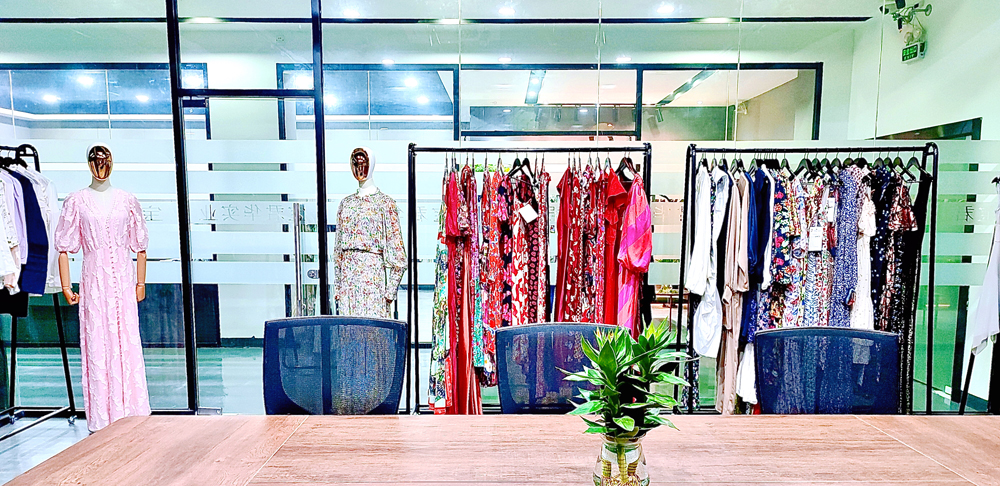
  • Fashion Clothes News – September 2025 Trends and Highlights

    Meta Description:
    Explore the biggest fashion clothes news from September 2025 — from runway trends and celebrity styles to eco-friendly fabrics and digital fashion innovations shaping the global apparel industry.

    Tags:
    fashion news, September 2025 trends, clothing industry, sustainable fashion, street style, runway trends, digital fashion, celebrity fashion, eco-friendly fabrics, fall fashion 2025


    September 2025: A Fresh Start for Fall Fashion

    September 2025 marked a vibrant month for the global fashion industry, filled with creativity, innovation, and sustainability. From New York Fashion Week to emerging designers in Asia and Europe, this month set the tone for autumn and winter wardrobes — mixing digital aesthetics with eco-conscious materials.

    Designers across the world emphasized minimalist luxury, with clean cuts, soft textures, and earthy tones dominating the runway. Consumers continued to lean toward timeless, sustainable pieces instead of fast-changing trends.


    Runway Recap: Fall/Winter 2025 Collections

    At Paris and Milan Fashion Weeks, major brands like Gucci, Balenciaga, and Dior showcased collections that blended classic tailoring with tech-infused fabrics. Smart textiles and AI-generated prints were standout features, offering both comfort and innovation.

    Meanwhile, emerging Asian designers impressed with eco-dyed natural fabrics and modular designs — garments that can be reconfigured into different looks, reducing waste and boosting versatility.


    Celebrity & Street Style Highlights

    Celebrities set fashion buzz all month long. Zendaya made headlines for her futuristic red-carpet outfits inspired by 90s silhouettes, while Timothée Chalamet revived gender-fluid tailoring with metallic blazers and silk scarves.
    On the streets, influencers leaned into quiet luxury, pairing neutral trench coats with bold accessories, such as oversized belts and structured handbags.


    Sustainability and Tech Shape the Future

    One of the biggest news stories in September 2025 was the continued rise of digital fashion and AI-driven design. Brands are now creating virtual collections before physical production to reduce waste, while shoppers are experimenting with AR try-on technology through e-commerce apps.

    At the same time, eco-friendly materials like hemp blends, recycled polyester, and plant-based leather gained wider acceptance across luxury and mid-range labels alike.


    Market Insights and Retail Updates

    Retailers reported a steady demand for trans-seasonal apparel — clothes that adapt between seasons, such as lightweight jackets and convertible dresses.
    In the U.S. and Europe, online sales for fashion items rose by 9% year-on-year, driven by the return of in-person events and travel-related shopping.


    Outlook: What’s Next for October 2025

    As the industry moves into October, expect more brands to adopt digital-first launches, pop-up exhibitions, and AI-powered personalization for shoppers. The fashion world is quickly embracing a hybrid model — where style meets sustainability and technology fuels creativity.


    Conclusion:
    September 2025 highlighted a major evolution in fashion — where sustainability, innovation, and individuality reign. Whether through virtual runways or eco-conscious fabrics, the future of fashion is brighter, bolder, and more responsible than ever before.

    From:

    Chinese Clothes Manufacturer    https://www.protexclothes.com

  • Top Fashion Clothes Trends in 2025: What’s Hot This Season?

    Fashion is constantly evolving, and 2025 is bringing bold statements, nostalgic comebacks, and sustainable innovation to the forefront. Whether you’re a style enthusiast or looking to refresh your wardrobe, staying updated with the latest fashion clothes trends is key to dressing with confidence and purpose.

    In this blog post, we break down the most popular clothing trends of 2025 and how you can style them for everyday wear or special occasions.


    🔥 1. Gender-Neutral Fashion Takes Center Stage

    One of the biggest shifts in fashion clothing is the move toward gender-neutral styles. Designers are creating pieces that prioritize comfort, function, and fluid silhouettes over traditional gender norms.

    Trending Items:

    • Oversized blazers and relaxed tailoring
    • Unisex denim jackets and wide-leg pants
    • Minimalist monochrome sets

    Styling Tip: Pair a neutral oversized shirt with tailored trousers for a modern, inclusive look.


    🌿 2. Sustainable and Eco-Friendly Clothing

    With climate awareness growing, eco-conscious fashion is no longer a niche. Brands are now using organic cotton, recycled fabrics, and low-impact dyes to create chic and sustainable collections.

    Top Sustainable Fashion Brands in 2025:

    • Stella McCartney
    • Reformation
    • PANGAIA
    • Everlane

    Keyword Note: Look out for terms like “slow fashion,” “sustainable fashion trends,” and “eco-friendly clothing 2025.”


    ✨ 3. Metallics and Futuristic Fabrics

    Get ready to shine! Metallics, reflective fabrics, and tech-inspired clothing are trending on runways and street style alike. Think silver pants, chrome jackets, and iridescent skirts.

    How to Wear It:
    Balance bold metallics with simple pieces. For example, a metallic top with black cargo pants or a reflective skirt with a basic tee.


    👗 4. 90s and Y2K Nostalgia Still Reigns

    Fashion loves a throwback, and 90s + early 2000s fashion remains a major trend in 2025. Expect to see low-rise jeans, baby tees, tube tops, and cargo pants continuing to dominate wardrobes.

    Popular Styles:

    • Denim-on-denim
    • Butterfly prints
    • Platform sneakers
    • Mini handbags

    SEO Tip: These styles are highly searched, especially “Y2K fashion clothes trends” and “90s outfits inspiration”.


    🖤 5. Dark Academia and Quiet Luxury

    Minimalist elegance meets intellectual vibes with the Dark Academia and Quiet Luxury aesthetics. Think timeless, neutral tones with a sophisticated edge.

    Must-Have Pieces:

    • Wool trench coats
    • Turtlenecks
    • Pleated trousers
    • Leather loafers

    Styling Tip: Opt for earthy palettes like taupe, charcoal, and ivory to achieve this refined look.


    👚 6. Sheer Fabrics and Layering

    Sheer blouses, mesh tops, and see-through skirts are making waves, allowing for creative layering and visual texture.

    Style Ideas:

    • Layer a sheer shirt over a bralette
    • Combine a transparent skirt with biker shorts underneath
    • Use mesh overlays on dresses for added drama

    📈 Keywords to Use for Fashion SEO in 2025

    When writing or tagging your own fashion content, consider using high-ranking keywords like:

    • fashion clothes trends 2025
    • trending outfits
    • what’s trending in fashion
    • street style looks
    • summer/winter fashion trends
    • sustainable fashion ideas
    • Y2K style clothing

    Final Thoughts: Stay Ahead of the Style Curve

    Fashion in 2025 is all about expression, comfort, and consciousness. From nostalgic throwbacks to futuristic fabrics and sustainability, these fashion clothing trends offer something for everyone. Whether you’re revamping your wardrobe or building your personal style, these trends will help you stay current and stylish.


    Meta Description:
    Discover the hottest fashion clothes trends of 2025, including gender-neutral styles, sustainable fashion, Y2K comebacks, and more. Your ultimate guide to staying in style this year.

    Tags:
    fashion clothes trends, 2025 fashion, trending outfits, street style, sustainable fashion, gender-neutral clothing, Y2K trends, quiet luxury

    All right reserved!

    From:

    https://www.lighterlighter.com/blog

    https://www.eyesyouwish.com/blog

  • How to deal with poor sewing of clothes produced by garment factories?

    Dealing with poor sewing quality in garments produced by factories requires a structured approach to identify root causes, enforce accountability, and ensure consistent improvements. Here’s a clear step-by-step plan:


    1. Identify the Specific Sewing Issues

    Inspect samples for common problems such as:

    • Crooked seams
    • Uneven stitching
    • Loose threads or skipped stitches
    • Mismatched patterns or seams
    • Unraveling hems

    Document everything with photos and notes, including defect rates (e.g., 10 out of 100 pieces with faulty stitching).


    📋 2. Review Technical Specifications

    Ensure that:

    • Clear tech packs (technical packets) are being provided to the factory.
    • All stitch types, seam allowances, tension settings, and quality expectations are clearly defined.

    If you don’t already provide a spec sheet or production guide, this could be a key source of inconsistency.


    🤝 3. Communicate With the Factory

    Schedule a formal meeting or call with the factory’s production manager or quality control lead. Discuss:

    • Specific sewing defects with photo evidence.
    • Impact on your brand and business (returns, customer dissatisfaction).
    • Request a corrective action plan.

    🔁 4. Implement Quality Control Measures

    • Inline inspection: Inspect work during production (not just at the end).
    • Final QC inspection: 100% or AQL (Acceptable Quality Limit) checks before shipping.
    • Use third-party inspection services (like Intertek, SGS) if internal QC is weak.

    🧪 5. Trial & Retest

    Request the factory to:

    • Redo defective pieces or adjust patterns/machines.
    • Produce a small re-sample batch before proceeding with mass production.
    • Approve samples only after confirmed sewing corrections.

    ⚙️ 6. Evaluate Factory Capability

    If problems persist:

    • Re-assess if the factory has the equipment, skill level, and staff training required for your product category.
    • Consider switching to a more reliable partner or multi-sourcing to reduce dependency on one supplier.

    🛑 7. Use Contracts & Penalties

    Include clauses in your purchase agreement:

    • On acceptable defect rates.
    • Financial penalties for poor quality or rework.
    • Terms for product rejection and refund.

    🗣️ Pro Tip:

    Keep the tone collaborative but firm. Many factories will work with you to resolve issues if you clearly communicate expectations and show a willingness to continue the relationship.


    From:

    https://www.probatteryer.com

    https://www.probatteryer.com/blog

    https://www.batteryer.uk/blog

    https://www.batteryer.sg/blog

    https://www.batteryer.nz/blog

  • How to restore stained clothes to their original state

    Restoring stained clothes can be a bit of a trial-and-error process depending on the fabric and type of stain, but there are several effective methods you can try. Here’s a guide based on different types of stains:

    1. General Tips

    • Act Fast: The quicker you address a stain, the better your chances of removing it.
    • Test Before Use: Always test any cleaning method on a small, inconspicuous area of the fabric to ensure it won’t cause damage.
    • Cold Water First: Use cold water to rinse the stain before applying any treatments to avoid setting the stain.

    2. Common Stains and How to Treat Them

    Oil or Grease Stains

    • Method: Sprinkle baking soda, cornstarch, or baby powder on the stain to absorb the oil. Let it sit for 15-30 minutes, then brush off. Wash with dish soap or a stain remover.
    • Alternative: Apply a small amount of dish detergent directly to the stain and rub it in before washing.

    Ink Stains

    • Method: Dab the stain with rubbing alcohol or hand sanitizer using a cotton ball. Blot gently without rubbing. Afterward, wash the fabric in cold water.
    • Alternative: Use a mixture of milk and lemon juice or a commercial stain remover.

    Red Wine Stains

    • Method: Pour white wine, club soda, or cold water directly onto the stain to dilute it. Blot with a clean cloth. Then, treat with a mixture of dish soap and hydrogen peroxide.
    • Alternative: You can also sprinkle salt on the stain to absorb some of the wine.

    Blood Stains

    • Method: Rinse the fabric with cold water immediately. Soak the stain in a mixture of hydrogen peroxide and water (3:1) for 15-30 minutes, then wash as usual.
    • Alternative: If the blood is dry, apply a paste of baking soda and water, scrub gently, and rinse with cold water.

    Coffee or Tea Stains

    • Method: Apply a paste of baking soda and water, scrub with a soft brush, then rinse with cold water.
    • Alternative: Use vinegar or lemon juice to break down the stain. You can also try rubbing alcohol.

    3. Stubborn Stains

    If the stain is persistent after initial cleaning:

    • Soak in Stain Remover: Soak the garment in a commercial stain remover or a DIY mix of white vinegar, baking soda, and water.
    • Use Enzyme Cleaner: These work particularly well for organic stains like blood, sweat, or food.
    • Wash in Hot Water: After treating the stain, wash the fabric in the hottest water safe for the material.

    4. Preventing Stains from Setting

    • Don’t put stained clothes in the dryer until you’re sure the stain is gone because the heat can set the stain permanently.
    • Always check the fabric care label and follow any manufacturer’s instructions for cleaning and drying.

    Do you have a specific type of stain you’re dealing with? I can give you more detailed tips if you need. 🙂

    From: Chinese Clothes Manufacturer    https://www.protexclothes.com

  • How to deal with the situation two lines are not parallel when making clothes for a clothing factory?

    Dealing with non-parallel lines when making clothes in a factory setting can be tricky, but it’s definitely manageable. Here are a few tips to fix the issue:

    1. Check the Patterns: Before cutting or stitching, make sure that the pattern pieces are aligned properly. Sometimes, the misalignment comes from incorrect pattern positioning. Ensure the grainlines, edges, and any notches are marked and aligned well on the fabric.
    2. Fabric Tension: Ensure that the fabric isn’t stretched or pulled in one direction. If the fabric has been pulled or distorted during handling, it might cause the lines to appear non-parallel. Always work with fabric that has been properly prepped (washed or steamed, if needed) to reduce stretching.
    3. Check Your Machine Settings: Misalignment can occur if the sewing machine’s feed dogs are not functioning properly. Check to ensure that the tension and stitch settings are correct. If the machine isn’t feeding the fabric through evenly, the lines might shift during sewing.
    4. Pressing: Sometimes lines may appear skewed because the fabric isn’t pressed properly before or after sewing. Use a press with the right amount of heat and steam to set seams straight. This will often help in straightening out any slight distortions that occur during stitching.
    5. Use Guides: If you’re working with a sewing machine, consider using a walking foot, or a guide to ensure the fabric moves evenly and consistently. A clear guide or edge stitching foot will help keep the lines straight.
    6. Pinning or Basting: Pinning or basting the fabric before sewing can prevent fabric from shifting while you stitch. Make sure that you’re using enough pins or basting stitches to hold everything in place, especially when working with slippery or stretchy fabrics.
    7. Reevaluate the Fabric Type: If you’re working with fabrics that have a lot of stretch or are slippery (like silk or jersey), it can be harder to keep the lines straight. For such fabrics, you may need to use additional techniques, like stabilizers or different needle types, to ensure the lines stay parallel.
    8. Consult with the Design Team: If the lines are a part of a design feature, it might be worth going back to the design team to ensure the lines were intended to be parallel and if there’s any room for adjustment in the design.

    Does this align with the situation you’re facing, or are you working on something more specific?

    From: From: Chinese Clothes Manufacturer    https://www.protexclothes.com

  • How to deal with the details of clothing design?

    Dealing with the details of clothing design requires a meticulous and balanced approach, integrating creativity with practicality. Here’s a structured guide to managing these elements effectively:

    1. Conceptualization & Inspiration

    • Theme & Purpose: Define the garment’s purpose (e.g., casual, formal, sportswear) and draw inspiration from art, culture, or trends.
    • Sketching: Create detailed sketches highlighting design elements like silhouettes, seams, and embellishments.

    2. Material Selection

    • Fabric Choice: Select fabrics based on drape, weight, and texture (e.g., chiffon for flow, wool for warmth).
    • Sustainability: Opt for eco-friendly materials (organic cotton, recycled fibers) and consider durability.

    3. Functional Design

    • Fit & Comfort: Use darts, pleats, or stretch fabrics to ensure mobility. Include adjustable features (elastic waistbands).
    • Pockets & Closures: Ensure functionality (e.g., reinforced pockets, appropriately placed zippers/buttons).

    4. Aesthetic Detailing

    • Color & Pattern: Apply color theory for harmony. Align patterns at seams for continuity.
    • Embellishments: Choose buttons, lace, or embroidery that complement the design without overwhelming it.

    5. Technical Execution

    • Pattern Making: Draft precise patterns, adjusting for grainline and seam allowances.
    • Construction Techniques: Select stitching types (French seams for durability) and reinforce stress points.

    6. Production Considerations

    • Feasibility: Simplify complex details for mass production. Balance intricacy with cost-effectiveness.
    • Tech Packs: Document specs (measurements, materials, trim) for clear communication with manufacturers.

    7. Prototyping & Testing

    • Prototypes: Create samples to test fit, fabric behavior, and durability.
    • Adjustments: Refine details based on wear-test feedback (e.g., seam stress, comfort).

    8. Market & Trends

    • Target Audience: Tailor details to user needs (luxury vs. everyday wear).
    • Trend Awareness: Incorporate current trends (oversized buttons, seasonal colors) judiciously.

    9. Sustainability & Ethics

    • Longevity: Design timeless pieces with durable construction.
    • Ethical Practices: Ensure fair labor practices and eco-friendly processes.

    10. Finalization & Documentation

    • Detailed Notes: Record decisions on materials, techniques, and adjustments.
    • Accessories: Integrate complementary accessories (belts, scarves) thoughtfully.

    By systematically addressing each aspect—from initial concept to production—you ensure that every detail enhances both the aesthetic appeal and functionality of the garment, resulting in a cohesive and market-ready design.

    From: Chinese Clothes Manufacturer    https://www.protexclothes.com

  • How to reduce the cost when producing clothes for a factory?

    Reducing the cost of producing clothes in a factory can be done through a combination of strategies aimed at increasing efficiency, optimizing resources, and reducing waste. Here are some key strategies that can help achieve this:

    1. Optimize Fabric Usage

    • Pattern Efficiency: Ensure that the patterns used for cutting fabrics are optimized to minimize waste. Software can be used to create the most efficient cutting layouts.
    • Bulk Fabric Purchases: Buy fabrics in bulk to take advantage of volume discounts. Additionally, negotiating with suppliers for long-term contracts can lead to better pricing.
    • Alternative Materials: Consider using alternative, less expensive fabrics that still meet the quality standards of your garments.

    2. Automation and Technology

    • Invest in Machinery: Upgrading to more efficient, automated machinery (like automated cutters and sewing machines) can speed up the production process and reduce labor costs.
    • Digitized Production: Use digital design and production tools (like 3D modeling) to streamline the design-to-production process, reducing the number of prototypes and adjustments needed.
    • Tracking and Analytics: Implement tracking systems to monitor production and identify inefficiencies, ensuring that resources are used as effectively as possible.

    3. Improve Labor Efficiency

    • Train Workers: Ensure that workers are well-trained to handle machinery, patterns, and quality control processes efficiently. High-quality training can lead to faster, more precise work with fewer errors.
    • Lean Manufacturing: Implement lean manufacturing principles to minimize waste in both materials and labor. This involves organizing the factory floor for maximum efficiency and reducing unnecessary movements or processes.
    • Outsource Non-Essential Work: If possible, outsource non-core activities (like packaging or specific stitching tasks) to areas where labor is cheaper but still maintains good quality.

    4. Reduce Energy Costs

    • Energy-Efficient Machinery: Invest in energy-efficient equipment to reduce the long-term costs of running the factory. This includes machines that consume less electricity or have energy-saving features.
    • Optimize Factory Lighting: Use energy-efficient lighting and consider natural lighting solutions if possible. Also, maintaining the factory at optimal temperatures can reduce heating and cooling costs.

    5. Optimize Supply Chain Management

    • Streamline Inventory: Keep tight control over inventory to avoid overstocking and reduce storage costs. Implementing just-in-time inventory systems can help minimize holding costs.
    • Supplier Negotiations: Negotiate better terms with suppliers for bulk orders or discounts. Establishing long-term relationships with suppliers can also lead to better deals and consistency in pricing.

    6. Reduce Waste and Improve Sustainability

    • Waste Reduction Programs: Establish programs to recycle or repurpose fabric scraps, off-cuts, and defective pieces. This can include designing products to use smaller pieces of fabric or turning scrap fabric into other items.
    • Eco-Friendly Processes: Consider implementing more sustainable production processes that reduce waste and lower long-term environmental costs. While this may have an upfront cost, it can help reduce overall expenses in the future.

    7. Increase Production Volume

    • Scale Production: If possible, increase the volume of orders to take advantage of economies of scale. Larger production runs typically reduce the cost per unit.
    • Minimize Downtime: Maximize factory uptime by ensuring smooth operations, reducing maintenance costs, and improving scheduling.

    8. Negotiate with Logistics Providers

    • Optimize Shipping and Freight: Work with logistics providers to negotiate lower shipping rates or explore alternative shipping methods to reduce transportation costs.
    • Consolidated Shipping: For factories that ship internationally, consolidating shipments can lower costs. Shipping large batches at once instead of smaller shipments can save on both freight and customs fees.

    9. Outsource or Nearshore Production

    • Outsource to Low-Cost Regions: If your factory is located in a high-cost area, you might consider outsourcing certain parts of the production process to countries with lower labor costs.
    • Nearshoring: Alternatively, bringing production closer to the primary consumer market can reduce shipping and logistics costs while still benefiting from lower labor costs.

    By combining these strategies, you can reduce production costs, increase efficiency, and improve the overall profitability of your factory. The key is balancing quality with cost reduction, ensuring that your final product still meets consumer expectations while being cost-effective to produce.

    Is your factory currently facing specific challenges when it comes to production costs?

    All right reserved!

    From: Chinese Clothes Manufacturer      https://www.protexclothes.com