Category: design

  • Fashion News in April 2026: Biggest Trends, Brand Moves, and Industry Highlights

    Introduction

    April 2026 was an exciting month for the global fashion industry. From major luxury brand announcements to sustainability initiatives and celebrity-driven collaborations, fashion brands continued adapting to changing consumer preferences and digital shopping trends.

    In this monthly fashion roundup, we highlight the biggest fashion news stories from April and explore what they mean for retailers, brands, and consumers worldwide.


    1. Luxury Brands Expand Their Global Presence

    Several luxury fashion houses accelerated expansion plans in April.

    Louis Vuitton announced new flagship store openings in Southeast Asia and the Middle East to capture growing demand from high-net-worth shoppers.

    Gucci introduced a new limited-edition handbag collection that quickly gained attention across social media platforms.

    Prada also revealed plans to invest more heavily in digital retail channels as online luxury shopping continues growing globally.

    Luxury brands are increasingly focusing on younger consumers, particularly Gen Z buyers who value exclusivity and digital engagement.


    2. Sustainable Fashion Continues to Grow

    Sustainability remained a major topic in April.

    H&M launched a new recycled clothing collection made from eco-friendly materials.

    Zara expanded its clothing recycling program in several international markets.

    Patagonia continued promoting ethical manufacturing and second-hand clothing initiatives.

    Consumers are becoming more environmentally conscious, pushing fashion companies to adopt greener production methods.

    Key sustainability trends:

    • Recycled fabrics
    • Reduced plastic packaging
    • Carbon-neutral shipping
    • Ethical labor practices
    • Circular fashion programs

    3. Celebrity Fashion Collaborations Drive Sales

    Celebrity partnerships remained one of the biggest drivers of fashion sales in April.

    Rihanna expanded her partnership with Puma through a new sneaker release.

    Kim Kardashian continued growing SKIMS with new seasonal product launches.

    Taylor Swift-inspired fashion trends also boosted demand for vintage-style dresses and accessories.

    Social media platforms like TikTok and Instagram continue influencing consumer buying behavior.


    4. Fast Fashion Faces Rising Competition

    Fast fashion brands faced increasing competition from global e-commerce platforms.

    SHEIN expanded into new product categories.

    Temu continued aggressive global marketing campaigns.

    Amazon strengthened its fashion marketplace presence through faster shipping and expanded private-label offerings.

    Consumers are increasingly prioritizing affordability and convenience.


    5. Spring/Summer Fashion Trends Dominated Social Media

    April also revealed major seasonal trends for Spring/Summer 2026.

    Popular styles included:

    • Oversized blazers
    • Neutral color palettes
    • Vintage denim
    • Minimalist handbags
    • Sustainable sneakers
    • Linen clothing

    Nike and Adidas both launched seasonal collections targeting younger consumers.


    6. Fashion E-Commerce Keeps Growing

    Online fashion retailers saw continued growth in April as more consumers preferred online shopping.

    Shopify merchants reported stronger apparel sales.

    ASOS expanded personalized shopping recommendations.

    eBay saw increased resale fashion activity.

    AI-powered shopping recommendations and faster logistics remain major growth drivers.


    Conclusion

    April 2026 showed that fashion remains one of the most dynamic global industries. Luxury expansion, sustainability efforts, celebrity partnerships, and e-commerce innovation continue shaping the future of fashion.

    Businesses that adapt quickly to these trends may gain significant competitive advantages in the coming months.

    Stay tuned for more monthly fashion updates.


    FAQ

    What was the biggest fashion trend in April 2026?

    Sustainable fashion and celebrity collaborations were among the biggest trends.

    Which brands performed well in April?

    Gucci, SHEIN, and SKIMS gained significant attention.

    Is sustainable fashion growing?

    Yes, demand for eco-friendly clothing continues rising globally.

    Related:

  • How to deal with the situation two lines are not parallel when making clothes for a clothing factory?

    Dealing with non-parallel lines when making clothes in a factory setting can be tricky, but it’s definitely manageable. Here are a few tips to fix the issue:

    1. Check the Patterns: Before cutting or stitching, make sure that the pattern pieces are aligned properly. Sometimes, the misalignment comes from incorrect pattern positioning. Ensure the grainlines, edges, and any notches are marked and aligned well on the fabric.
    2. Fabric Tension: Ensure that the fabric isn’t stretched or pulled in one direction. If the fabric has been pulled or distorted during handling, it might cause the lines to appear non-parallel. Always work with fabric that has been properly prepped (washed or steamed, if needed) to reduce stretching.
    3. Check Your Machine Settings: Misalignment can occur if the sewing machine’s feed dogs are not functioning properly. Check to ensure that the tension and stitch settings are correct. If the machine isn’t feeding the fabric through evenly, the lines might shift during sewing.
    4. Pressing: Sometimes lines may appear skewed because the fabric isn’t pressed properly before or after sewing. Use a press with the right amount of heat and steam to set seams straight. This will often help in straightening out any slight distortions that occur during stitching.
    5. Use Guides: If you’re working with a sewing machine, consider using a walking foot, or a guide to ensure the fabric moves evenly and consistently. A clear guide or edge stitching foot will help keep the lines straight.
    6. Pinning or Basting: Pinning or basting the fabric before sewing can prevent fabric from shifting while you stitch. Make sure that you’re using enough pins or basting stitches to hold everything in place, especially when working with slippery or stretchy fabrics.
    7. Reevaluate the Fabric Type: If you’re working with fabrics that have a lot of stretch or are slippery (like silk or jersey), it can be harder to keep the lines straight. For such fabrics, you may need to use additional techniques, like stabilizers or different needle types, to ensure the lines stay parallel.
    8. Consult with the Design Team: If the lines are a part of a design feature, it might be worth going back to the design team to ensure the lines were intended to be parallel and if there’s any room for adjustment in the design.

    Does this align with the situation you’re facing, or are you working on something more specific?

    From: From: Chinese Clothes Manufacturer    https://www.protexclothes.com

  • How to choose the best material when designing the clothes?

    When designing clothes, selecting the right material is critical to ensuring functionality, comfort, durability, and aesthetic appeal. Here’s a structured approach to choosing the best material:


    1. Define the Purpose and Use Case

    • Type of Garment:
      • Casual wear (e.g., cotton for breathability).
      • Athletic wear (e.g., polyester/spandex blends for stretch and moisture-wicking).
      • Formal wear (e.g., silk or wool for drape and elegance).
    • Climate/Season:
      • Summer: Lightweight, breathable fabrics (linen, cotton).
      • Winter: Insulating materials (wool, fleece, cashmere).

    2. Evaluate Material Properties

    • Comfort:
      • Softness (e.g., bamboo fabric for sensitive skin).
      • Breathability (e.g., cotton vs. synthetic nylon).
    • Functionality:
      • Moisture management (e.g., merino wool for temperature regulation).
      • Stretch/recovery (e.g., elastane blends for activewear).
    • Durability:
      • Abrasion resistance (e.g., Cordura® for workwear).
      • Colorfastness (e.g., pre-washed denim to prevent fading).

    3. Consider Sustainability

    • Eco-Friendly Options:
      • Organic cotton (no pesticides).
      • Recycled polyester (from plastic bottles).
      • Tencel™/Lyocell (biodegradable, low-water process).
    • Certifications:
      • GOTS (Global Organic Textile Standard).
      • OEKO-TEX® (chemical safety).

    4. Factor in Cost and Production

    • Budget:
      • Luxury fabrics (silk, cashmere) vs. affordable synthetics (polyester).
    • Manufacturability:
      • Ease of cutting/sewing (e.g., stiff leather vs. stretchy jersey).
      • Dyeability (e.g., natural fibers absorb dyes better).

    5. Test and Prototype

    • Sample Testing:
      • Wash tests (shrinkage, color retention).
      • Wear trials (pilling, stretching).
    • User Feedback:
      • Comfort surveys (itchiness, breathability).

    6. Stay Aligned with Trends and Ethics

    • Market Trends:
      • Biodegradable materials (e.g., mushroom leather).
      • Smart textiles (e.g., UV-protective fabrics).
    • Ethical Sourcing:
      • Avoid materials linked to deforestation (e.g., conventional viscose).
      • Prioritize fair-trade suppliers.

    Examples of Material Choices by Category

    Garment TypeRecommended MaterialsWhy?
    ActivewearPolyester-spandex, Nylon-Lycra®Moisture-wicking, stretch, durability
    Winter CoatsWool-blend, Gore-Tex® (waterproof)Insulation, weather resistance
    Eco-Friendly BasicsOrganic cotton, HempSustainable, breathable
    Luxury Evening GownsSilk, Chiffon, VelvetDrape, sheen, elegance

    Key Takeaway

    Start by defining the garment’s purpose, then prioritize materials based on performance, cost, sustainability, and user comfort. Always prototype and test fabrics under real-world conditions to ensure they meet design and functional goals.

    From: Chinese Clothes Manufacturer      https://www.protexclothes.com

  • Today’s fashion in 2025

    Today’s fashion news highlights a blend of red carpet glamour and emerging 2025 trends:

    Today's fashion in 2025  from www.protexclothes.com

    Golden Globes 2025 Fashion: The Golden Globes red carpet showcased bold and artistic designs. Emma D’Arcy turned heads with a custom ivory silk outfit inspired by gothic and ceremonial aesthetics. Ariana Grande wore a pastel Givenchy Haute Couture gown, nodding to Audrey Hepburn’s timeless elegance. These looks reflect a return to expressive, standout red carpet styles​.

    2025 Fashion Trends: “Loud luxury” is making a comeback, featuring extravagant and vibrant designs with metallics, feathers, and bold patterns. This marks a shift away from the subdued “quiet luxury” aesthetic of recent years. Personal style is also gaining prominence, with runways and streetwear embracing individuality and diverse fashion choices​.

    Fashion-forward Products: Items like Prada’s leather bomber jackets and Schiaparelli’s surrealist-inspired jewelry are trending, symbolizing the embrace of maximalism and unique statement pieces​.

    For more insights, the Golden Globes red carpet fashion and upcoming trends are shaping 2025 as a year of creativity and individuality in style.

  • What is Fashion

    Protex | What is Fashion

    Fashion is the prevailing style or practice in clothing, accessories, footwear, makeup, hairstyle, and even behavior, that is popular within a particular time, place, or culture. It reflects a dynamic, evolving set of aesthetic choices that are influenced by various factors such as art, history, society, technology, and even politics. Fashion can be seen as both an art form and a way of expressing identity.

    Here’s a deeper breakdown of what fashion entails:

    1. Clothing and Apparel

    Fashion primarily refers to the styles and trends in clothing. This includes everything from the types of fabrics used (like cotton, leather, or synthetics) to the cut, silhouette, and color of garments. Fashion varies by season (fall/winter vs. spring/summer) and often changes yearly.

    • Haute Couture: High-end, custom-made clothing typically seen in fashion shows or worn by celebrities.
    • Ready-to-Wear: Clothing made in standard sizes and sold to the general public.
    • Streetwear: Casual, often trendy clothing influenced by urban culture.

    2. Accessories

    Fashion includes not only clothes but also accessories like jewelry, bags, watches, hats, scarves, and eyewear. Accessories can complete a look and are often used to showcase personal style.

    3. Footwear

    Shoes are an integral part of fashion. Trends in footwear change regularly, with designers introducing new styles, materials, and colors. Footwear can range from casual sneakers to formal heels or boots.

    4. Hairstyles and Beauty

    Haircuts, hairstyles, and makeup are significant components of fashion, influencing how individuals present themselves. Trends in haircuts or makeup techniques (e.g., bold eyebrows, contouring, or pastel hair colors) often cycle with clothing styles.

    5. Fashion Industry

    The fashion industry is a large, global enterprise that encompasses:

    • Designers: Creators of clothing and accessory collections.
    • Fashion Houses: Companies that produce and sell high-fashion products.
    • Fashion Shows: Events like New York Fashion Week or Paris Fashion Week, where designers present their upcoming collections.
    • Retailers: Companies or stores that sell clothing and fashion products to the public.
    • Models: Individuals who showcase fashion products on runways, ads, and magazines.
    • Influencers: People, often on social media, who have the ability to shape trends and influence purchasing decisions.

    6. Cultural and Social Influence

    Fashion is often a reflection of the cultural and social context in which it exists. It can express social class, political stances, or a community’s values. For example:

    • Subcultures like punk, goth, or hip-hop have distinct fashion styles that often reflect the community’s beliefs or attitudes.
    • Sustainability: In recent years, there’s been a push for sustainable fashion, with an emphasis on ethical manufacturing, eco-friendly materials, and reducing waste.

    7. Trends vs. Personal Style

    • Fashion Trends: These are the popular styles, colors, and designs that dominate during specific periods. Trends come and go, often influenced by designers, celebrities, and influencers.
    • Personal Style: While trends dictate what’s “in,” personal style is how an individual interprets and adapts fashion to their own tastes. Personal style is timeless and unique.

    8. Fashion and Identity

    Fashion plays a key role in expressing individual identity and personality. People often use fashion to project who they are or who they want to be perceived as. It can serve as a form of self-expression, signaling one’s taste, social status, profession, or even political stance.


    In essence, fashion is both an art and a social phenomenon, changing constantly with time, culture, and individual expression. It is as much about personal expression as it is about the collective moment in which trends rise and fall.

  • Fashion news: MOFT’s ‘Living My Flow’ Shares The Perfect Gift For Fashion Creatives

    Fashion news: MOFT’s ‘Living My Flow’ Shares The Perfect Gift For Fashion Creatives

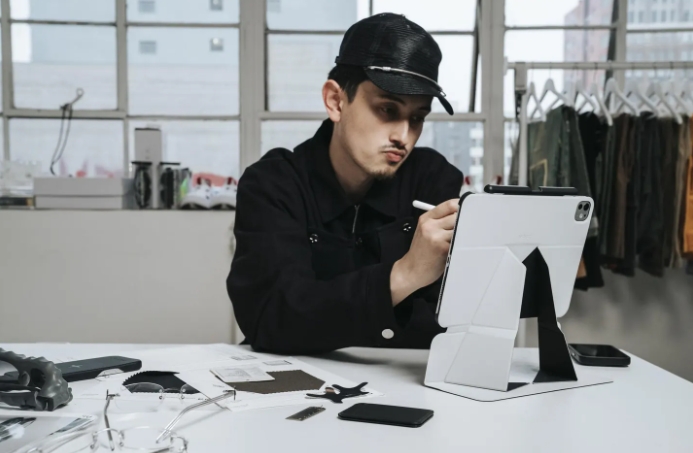
    MOFT has positioned itself in the same way as the spot on gift in place of fashion-forward creatives. Accepted in place of their silky, origami-inspired tech accessories, MOFT has launched the “Living My Flow” campaign to celebrate folks pushing boundaries in the sphere of their respective fields. Highlighting their innovative spirit and adaptableness, this macro initiative skin texture five creatives whose exert yourself embodies the fusion of drawing, function, and tools, and staying on task with MOFT accessories.

    The campaign spotlights Tommy Bogo, come to grief of TOMBOGO. This streetwear-inspired method line is ample of workwear and useful designs, in the same way as well in the same way as casual new aesthetics. A designer, DJ, and leading light, Bogo has turn into a sustainable method trailblazer, merging effectiveness with design.

    His collaboration introduces the person along for the ride Capsule Collection, which reflects his dynamic be similar to to design, with an assist from MOFT. Featuring MOFT’s portable accessories, this collection ropes the on-the-go lifestyles of creatives like Bogo, who constantly redefines new aesthetics.

    Documenting the workflow of the adolescent designer, Bogo shares insights into his creative journey in the sphere of this inexperienced campaign. Offering a candid look by the side of how MOFT products like the Laptop bear skin and Snap Phone trivet halt help him stay sensible and inspired. His story emphasizes the weight of versatile tools in the sphere of nurturing creativity and adapting to ever-evolving difficulty.

    Every story highlights the vast possibilities as soon as passion and realism align. Collaborators Cara Marie quadrangle, a Brooklyn-based natural dyer working by the side of the intersection of sustainability and method, and Shantell Martin, celebrate artists who MOFT absence to transform their practices with accessories from collections like the Snap pour record into a oil in place of ideas and reflection.

    Performer and firewood sculptor Christopher Chan, additionally accepted in the same way as Honorroller, is an alternative featured creative who has formed fashion-inspired sportswear and artifacts. With collaborations with the NBA on customized jerseys, Nike, Gucci, and the Brooklyn Museum, Chan’s be similar to to drawing highlights the weight of tools with the aim of adapt to his process. Through MOFT’s versatile accessories – and campaign – he demonstrates how innovative designs enhance his workflow.